From Stateless to the Stage
July 20, 2026
An Interview with Ahmad Joudeh
Ahmad Joudeh is a dancer, choreographer, and public speaker who was born in a Palestinian refugee camp in Damascus, Syria. In 2016, he moved to Amsterdam with the help of the Dutch National Ballet, joining the company that same year. Since 2017, he has worked internationally as an artist and human rights activist. Today he performs with Golden State Ballet, recently became the first Arab-born ballet dancer to perform The Nutcracker‘s Arabian Dance in the US, and is the subject of a new documentary. Ahmad also serves as a supporter for The United Nations Refugee Agency (UNHCR). Here, Ahmad shares his unique and breathtaking story.
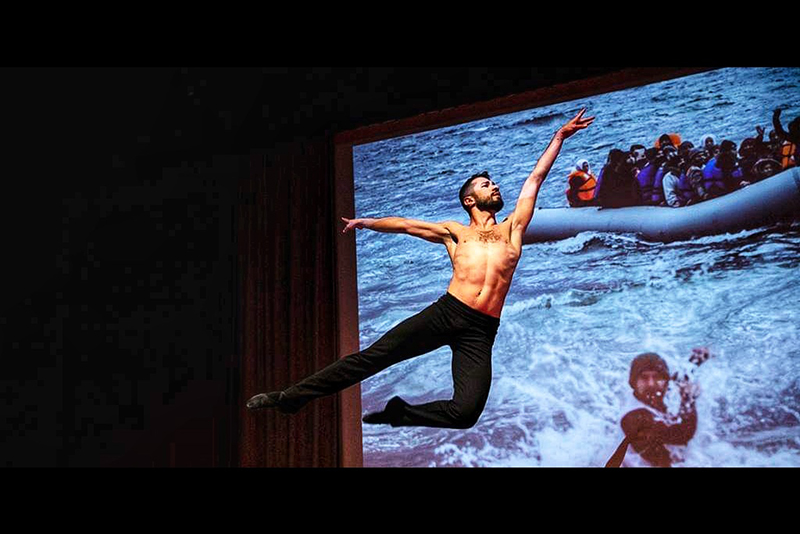
Photo courtesy Ahmad Joudeh
~~
How did you get into dance and what did you first love about it?
I fell in love with dance when I was eight years old after seeing a ballet performance for the first time. I was born and raised in Yarmouk refugee camp in Damascus as a stateless refugee, and dance opened a window to a different world. From that moment, I knew I wanted to become a dancer. What attracted me most was the feeling of freedom and expression. Through dance, I could dream beyond the limitations around me and connect with something bigger than myself.
What stereotypes and risks did you come up against during your dance journey in Syria?
As a boy pursuing ballet in Syria, I faced many stereotypes. Dance was often viewed as unsuitable for men, and I was criticized for choosing an artistic path. Beyond social pressure, I also faced serious threats from extremists because of my dancing. My family experienced the devastation of war, our home was destroyed, and several relatives lost their lives. Yet I refused to stop dancing. That determination led me to tattoo “Dance or Die” on my neck, symbolizing that dance was not simply my profession—it was my reason to keep going.
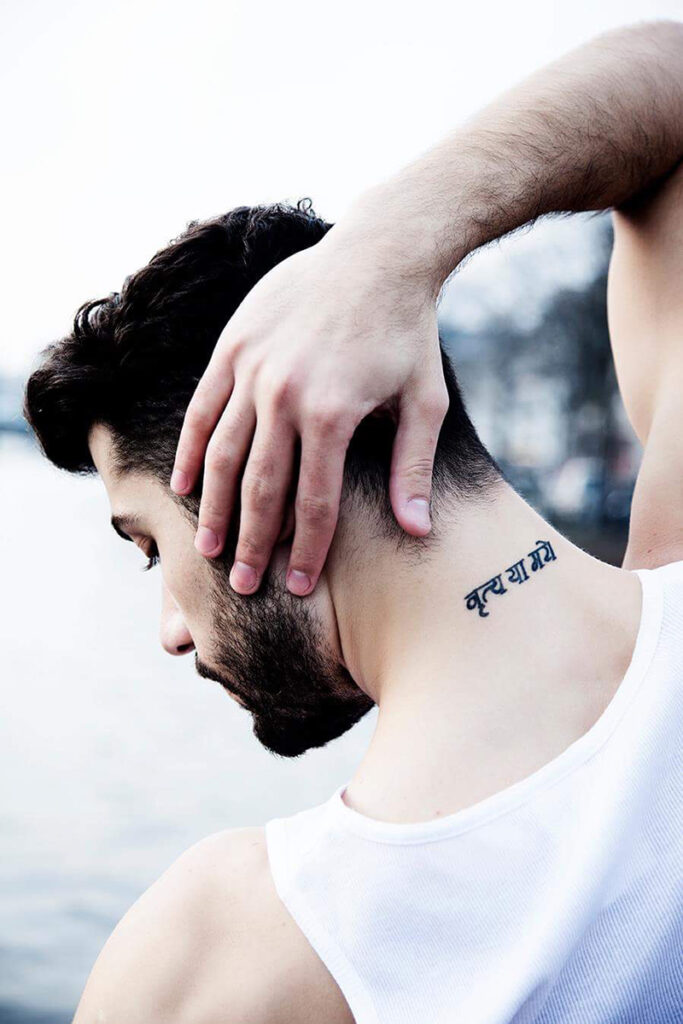
Photo by Ernst Coppejans for Dutch National Ballet
You are the subject of a few documentaries. How has being the subject of multiple documentaries impacted your dance journey?
Being the subject of documentaries has profoundly shaped my journey. The first documentary, Dance or Die by Roozbeh Kaboly, followed my life as a dancer in Syria and my move to the Netherlands. The film later won an International Emmy Award and helped bring my story to a global audience. It also played a direct role in opening doors that led me to join the Dutch National Ballet.
Most recently, The Dancer, directed by Lacey Uhlemeyer, explores not only my journey from a stateless refugee in Syria to international stages, but also my return to Syria and my mission to inspire a new generation of dancers through art.
Together, these films have allowed me to share a story that is bigger than my own. They have created opportunities to advocate for refugees, LGBTQIA+ people, and anyone who has been told their dreams are impossible. They have shown how dance can be more than performance—it can be a form of resistance, healing, and hope.
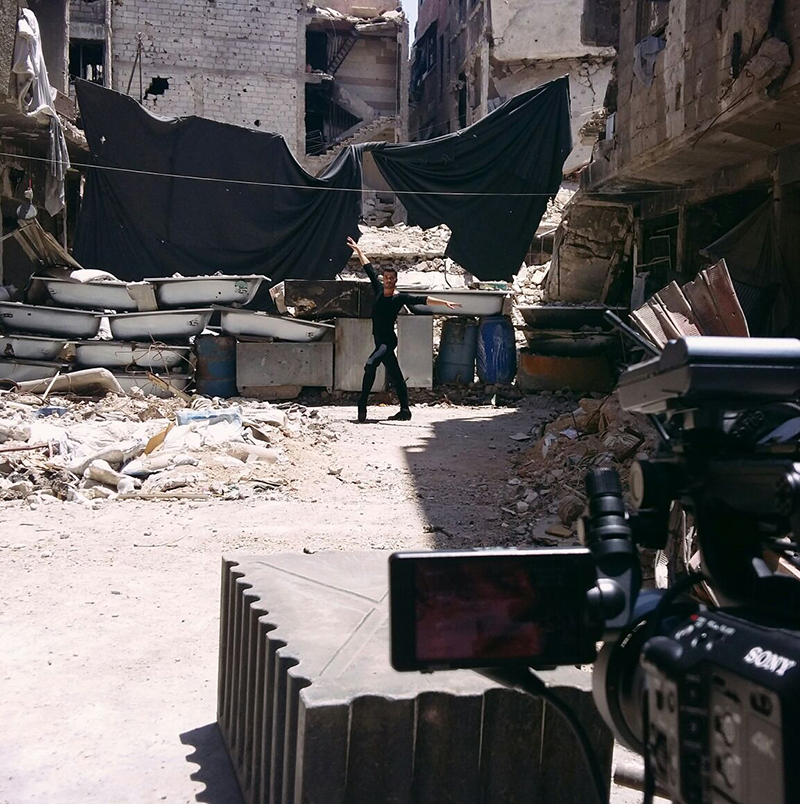
Photo by Roozbeh Kaboly from Dance or Die
How did your understanding of dance, and ballet in particular, change once you were in more elite environments?
When I arrived in the Netherlands and trained within the world of professional ballet, I discovered a new level of discipline, artistry, and excellence. Ballet became more than movement—it became a language capable of carrying powerful human stories. Working with leading artists and institutions taught me that technique is only one part of being a dancer. What truly matters is authenticity, dedication, and using your art to connect people. Today, I combine classical ballet with Middle Eastern and Sufi influences to create a bridge between cultures.
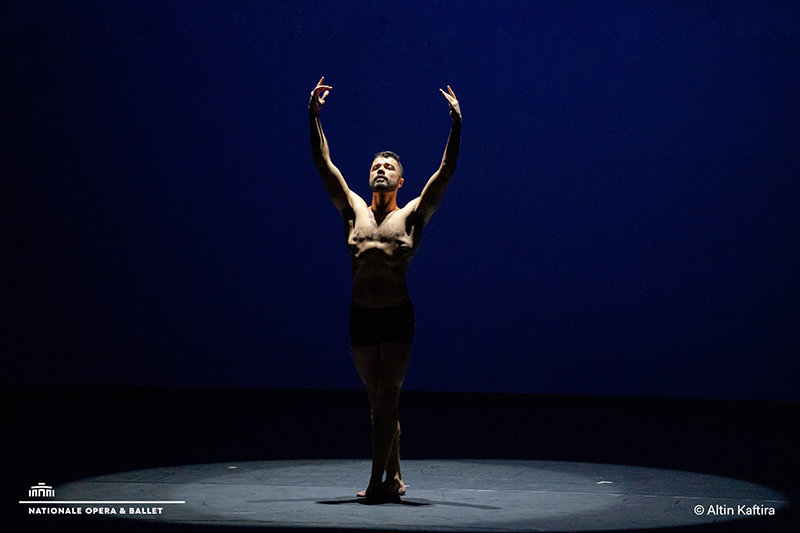
Altin Kaftira for Dutch National Ballet
What are some of the ways you advocate for refugee rights and cultural dialogue through dance?
USA for UNHCR* (and the UN Refugee Agency) were always there in my refugee camp, helping with food and education. It was part of the culture, the buildings, everything. So to have the opportunity now to be part of this organization and advocate for their work is an honor. I believe refugees deserve not just safety, but the chance to rebuild a full life, including through sport and the arts, and I will do whatever I can to build awareness about that and help make it happen for people. Through performances, workshops, public speaking, and my artistic projects, I aim to challenge stereotypes, promote dialogue, and show that art can build bridges where politics and language sometimes fail. My message is that every human being deserves dignity, freedom and the opportunity to dream.
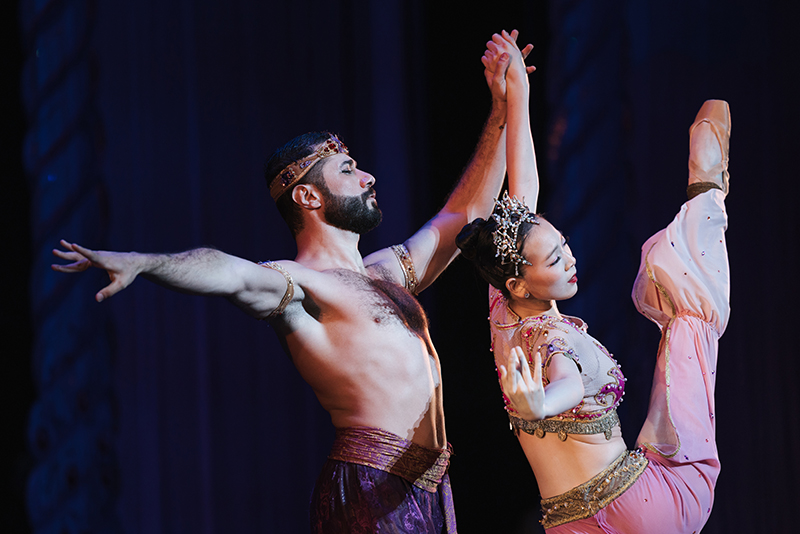
Sam Zauscher for Golden State Ballet
~~
To learn more, visit www.ahmadjoudeh.com.
NOTE: USA for UNHCR is a Washington, D.C.-based nonprofit that supports the UN Refugee Agency (UNHCR), providing lifesaving essentials like shelter, food, water and protection to refugees around the world and helping them rebuild their lives. Ahmad grew up in Al-Yarmouk camp and is now working with the organization as an advocate.
Comments are closed.
Responses
Thanks Jimmy!
I enjoyed reading this 😊