A Home for Young Dancers
May 11, 2026
An Interview with Karah Abiog, director of The Training Ground SF
BY EMMALY WIEDERHOLT
Karah Abiog is the director and founder of The Training Ground SF, a dance training program in San Francisco for preprofessional dancers ages 18 to 25 that aims to empower dancers to move boldly, think critically, and build lasting artistic lives. Born out of the former LINES training program, The Training Ground SF is working to bridge the gap between student and professional by giving dancers a home where they can develop as contemporary artists as well as connect and learn from local and guest choreographers.
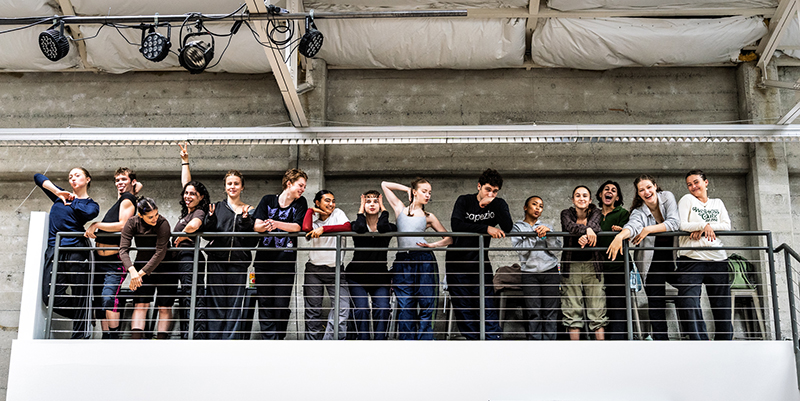
All photos by Steve Disenhof.
~~
First can you share a little about yourself and your dance history?
I’ve had a colorful and interesting professional dance history. I started ballet when I was young. Even though I was very devoted and loved dancing, classical ballet was not an avenue for me because of my body and color. I went to Loyola Marymount for college and was drawn to their dance department, even though I wasn’t there to pursue a dance degree. From there, I went to American Dance Festival, and out of that I got my first professional job with Cleo Parker Robinson Dance.
In my career, I experienced what it was like to be both a company dancer and a freelance dancer. I got to travel the world and meet so many amazing people. That networking has carried me through to today; all the relationships I have locally, nationally, and internationally have grown out of my dance history.
The last company I danced with was Complexions Contemporary Ballet in New York, where I lived for 12 years. My family is originally from the Bay Area, so when I decided to transition out of performing, I wanted to come back to San Francisco. Before I moved, I asked a friend if there was some teaching I could do. Layla Amis was the director of the LINES Ballet training program at the time. That was 2009. I quickly went from being a substitute to being a regular teacher. And by the fall of that year, I was the director of the training program.
The LINES Ballet training program was a full-time two-year training program that went from September to May. The age group was 18 and up. The concentration was rooted in ballet and contemporary. There was also a BFA program, but that was separate. There was no accreditation for the training program.
What was the impetus for founding The Training Ground SF?
It was because the training program went on an indefinite hiatus in 2025. LINES needed to make some organizational shifts. Out of the pandemic, things were bottoming out. The training program was a niche program. It was small and not a money-maker. It was a cultivation of these young artists who were exposed not just to what was happening at LINES, but also what was happening nationally and internationally.
The first-year students wanted to continue with their training. I’m really about arts education. If someone requests something like that, I’m going to see what I can do. They were in the middle of what was a two-year program. I had witnessed in the past how the duration of being immersed in training allows for a transformation to happen as individuals and dancers. There’s a maturation that happens.
It was an awkward time because those who had been accepted into university dance programs and had chosen to attend the LINES Ballet training program instead weren’t able to finish their program. I asked, what do I do with these young hungry artists who are in a demographic that have just graduated from high school or college, or are dancing while taking online college courses?
How is The Training Ground SF organized?
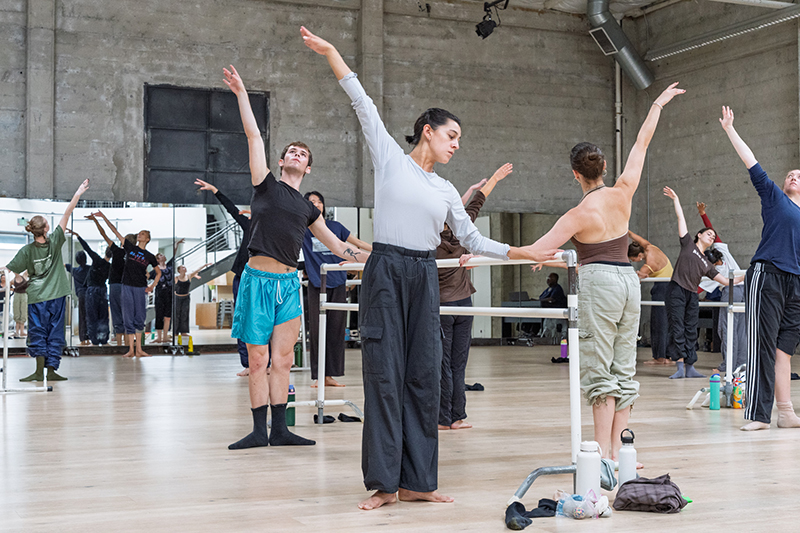
It starts with The Training Ground, which is a similar model to the LINES training program. It’s a nine-month full-time program. It’s broken into two semesters. Students are at the studio from 9 am to 3 pm and sometimes until 5 pm. It’s geared toward pre-professionals ages 18 to 25. They have performance experiences each semester with established artists, as well as student choreography.
Within that is The Training Roots. It is a model for those who don’t have the financial ability to be full time or need flexibility. They maybe can’t commit to a full year but want more rigorous training. The Training Roots is trimester based. People don’t have to audition, but it’s suggested they have dance knowledge. Those people are folded into the group of year-round students.
CoLABs happen each month. These are one or five-day workshops. The idea behind the coLABs is to open the doors so people in the community know what we’re doing as well as give alumni an opportunity to come back. What has been beautiful about the coLABs is older dancers in the community feel like they have an opportunity to be submerged with the choreographers and artists we bring in to teach
The last thing is The Hatchery, which is a new idea. It’s a series of incubations where artists come for five to 10 days and the 9 am to 3 pm training period is dedicated to them. I wanted it to be a range of artists who are paired up with another artist. All these incubations will “hatch” in something like a showing or a film. I want to make them short so they are affordable, but also long enough so the artists and those participating feel like they can dive into a process and leave with something tangible. There are seven different incubations happening this summer.
Where do the students come from and how many students are in the cohort?
There are 16 students in the year-round program. They come from around the country as well as from Spain and Canada. Many have had classical training and want to experience something different. One gentleman is more of a theater person but has the devotion and desire to create a foundation in the codified language of ballet. I make sure everyone has completed high school or at least is completing high school. There are also college graduates. Many of the students are attending college while doing the full-time program.
What do the students train in?
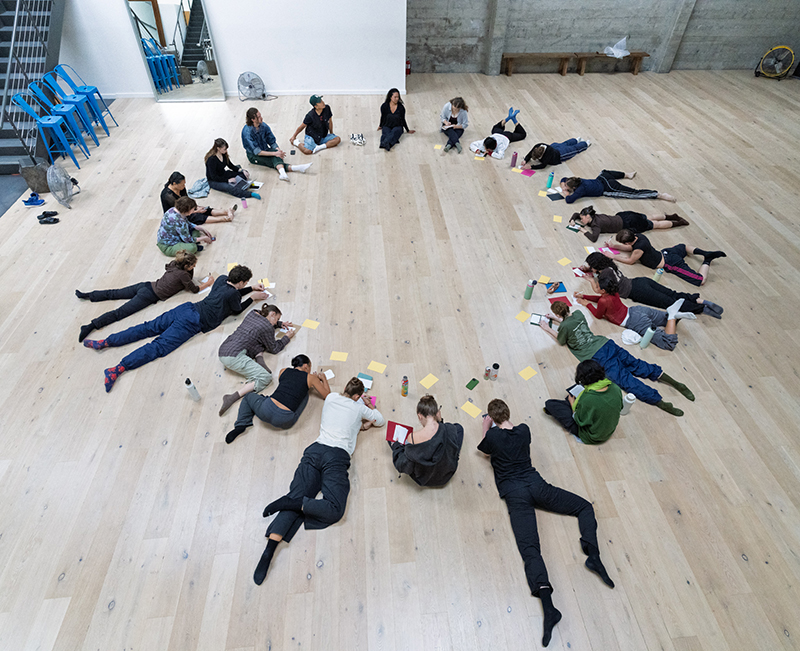
Every day, the students start off with ballet. From there, they are submerging themselves in contemporary, floor work, repertory, GYROTONIC®, critical perspectives in dance (which is more of a lecture and conversational course), and student choreography. There are also creative processes with artists and dedicated time working with guest artists.
What need is The Training Ground SF meeting in the Bay Area dance landscape?
There’s nothing really for this demographic of artists. The Training Ground SF provides a home for the students as well as a hub for educators and emerging and established artists to have a place to play, to create, to grow, and to learn.
It’s important that young artists know they can come to San Francisco and find a place where they can continue to expand their growth not just as artists but as young people. There is a richness in the dance scene in the Bay Area, but since the pandemic there is a feeling that it has been dwindling. What I believe this program is doing is elevating not just new artists coming through but also inspiring those who are here. The dancers who have come through the program get a lens into what is happening locally as well as understand whether or not they would like to pursue being in San Francisco or take their journey elsewhere. I am building a safe place for young dancers to meet the stakes, to experiment, to play, and to learn.
What are some goals for the future?
I would really love for The Training Ground SF to be a hub for the community. I want for the dancers to have connections with the choreographers and companies that are here. It’s already happening. I want people to want to come to San Francisco to dance.
Any other thoughts?
I didn’t expect to feel so much support around this new program. I received support from the students, the faculty, the staff who followed me from LINES, and the community at large. It sparked this new life and new blood into the dance community. It feels like there’s this simmering that’s happening, like there’s change coming. I feel like The Training Ground SF is part of facilitating this change and growth that wants to happen.
A shout out to Sandy Lee who is the owner of City Dance and who has enabled the training ground sf to have a home that feels so welcoming.
The last thing I want to mention is that the continuum is real. So many LINES training program alumni have come either in the form of taking classes or workshops, performing, choreographing, or are part of the faculty. That is beautiful and healthy, the feeling like a family.
~~
To learn more, visit www.thetraininggroundsf.com.